
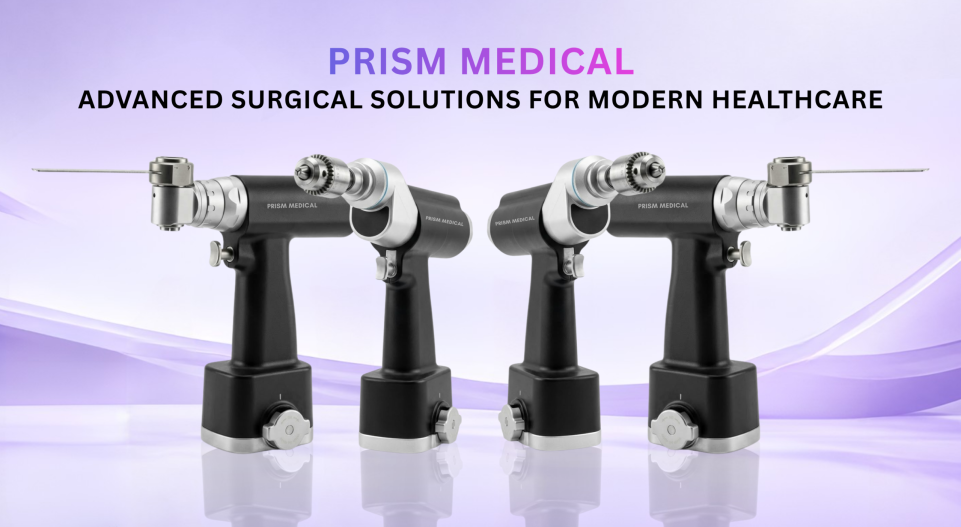
Orthopedic surgery requires precision, reliable instruments and careful preparation. Whether a surgeon is treating a fracture, performing a joint replacement or carrying out another bone-related procedure, the quality and suitability of the surgical instruments play an important role in the operating room. This is where orthopedic power tools become essential. Surgical bone drills and oscillating saw systems are widely used in orthopedic procedures to help surgeons perform specific drilling and bone-cutting tasks.
With hospitals and healthcare facilities continuing to invest in medical technology, choosing suitable orthopedic surgical equipment has become an important consideration for procurement teams and medical professionals.
In this guide, we explain what orthopedic power tools are, how bone drills and oscillating saws differ, which features buyers should consider, and how to choose equipment that meets the needs of a healthcare facility.
What Are Orthopedic Power Tools?
Orthopedic power tools are specialized surgical instruments designed to perform tasks such as drilling, cutting and reaming bone during orthopedic procedures. Depending on the model and its attachments, a powered system may support different surgical applications.
Common types of orthopedic power tools include:
- Orthopedic bone drill machines
- Battery-operated surgical drills
- Cannulated drill systems
- Oscillating bone saws
- Orthopedic drill and saw systems
- Surgical reamers and compatible attachments
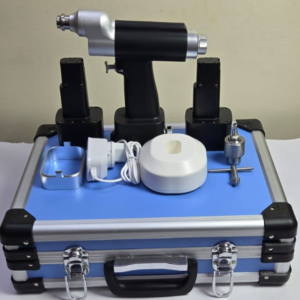
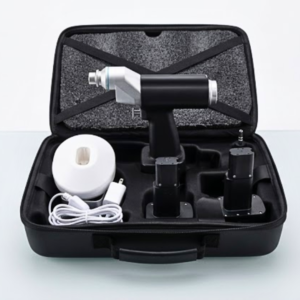

These instruments are used in various orthopedic settings, including trauma surgery, fracture fixation and joint reconstruction. The appropriate instrument depends on the procedure, the surgeon’s requirements and the manufacturer’s instructions.
For hospitals, selecting the right orthopedic power tool means looking beyond the product name. Compatibility, handling, cleaning requirements, servicing and the availability of suitable accessories should all be considered.
What Is a Surgical Bone Drill Machine?
A surgical bone drill machine is a powered medical instrument used to create holes in bone during certain orthopedic procedures. These holes may be needed for the placement of screws, pins, wires or other fixation components, depending on the surgical technique.
Unlike an ordinary industrial drill, an orthopedic drill is designed for specific medical applications and must be evaluated according to its intended use and applicable safety requirements.
Common applications of orthopedic bone drills
Orthopedic bone drills may be used in:
- Fracture fixation procedures
- Plate and screw fixation
- Selected trauma surgery applications
- Procedures involving guidewires or pins
- Certain joint reconstruction procedures
The exact application depends on the drill model, compatible attachments and the procedure being performed.
Battery-operated orthopedic drill machines
Battery-operated orthopedic drill machines are designed to operate without a continuously connected power cable during use. This can offer greater freedom of movement around the operating table.
When evaluating a battery-operated orthopedic drill, hospitals and procurement teams should consider:
- Battery performance: Check the manufacturer’s stated operating capacity and charging requirements.
- Speed and torque control: Confirm that the available settings are appropriate for the intended surgical application.
- Handpiece design: Consider grip, balance, handling and the surgeon’s preferences.
- Attachment compatibility: Verify which drill bits, chucks, reamers and other accessories are supported.
- Cleaning and sterilization: Follow the manufacturer’s validated instructions for the handpiece, battery and accessories.
- Service support: Confirm warranty coverage, spare-part availability and maintenance arrangements.
Battery-operated equipment can be a practical option, but the best choice depends on the clinical requirements and the design of the specific system.
What Is an Orthopedic Oscillating Saw System?
An orthopedic oscillating saw system is a powered surgical instrument that moves its blade back and forth through a small angle rather than rotating continuously like a conventional drill.
It is designed for controlled bone-cutting tasks in appropriate orthopedic procedures. Depending on the model and blade, an oscillating saw may be used in selected joint replacement, trauma and corrective bone surgery applications.
Common applications of oscillating saw systems
Orthopedic oscillating saws may be used for:
- Selected bone-cutting tasks during joint replacement surgery
- Bone resection as part of an appropriate surgical procedure
- Certain trauma and reconstructive procedures
- Osteotomy, when indicated by the surgical plan
Not every oscillating saw is suitable for every procedure. Blade design, the intended anatomical application and compatibility with the handpiece must be checked before use.
Features to consider when choosing an oscillating saw
When comparing an orthopedic oscillating saw system, pay attention to the following features:
1. Blade compatibility
Check the types of blades supported by the system and whether the required sizes and configurations are available.
2. Speed control
Review the manufacturer’s specifications for operating speed and control options. These should match the intended application and the instructions for use.
3. Ergonomic design
A comfortable grip and suitable balance can support handling by trained surgical professionals. The instrument should be assessed in line with the team’s workflow and preferences.
4. Cleaning and sterilization requirements
Confirm which components can be sterilized, which components require separate processing, and what methods the manufacturer validates. Never assume that every component can be autoclaved.
5. Maintenance and accessories
Consider blade availability, battery requirements where applicable, spare parts, warranty terms and technical support.
A suitable oscillating saw system should meet the requirements of the intended procedure while fitting the hospital’s instrument-processing and maintenance arrangements.
Orthopedic Bone Drill vs. Oscillating Saw: What Is the Difference?
Although both are orthopedic power tools, bone drills and oscillating saws perform different functions.
FeatureSurgical bone drillOscillating sawPrimary functionCreates holes in boneCuts bone using an oscillating bladeWorking movementRotationalBack-and-forth oscillationTypical accessoriesDrill bits, chucks and compatible attachmentsSaw blades and compatible blade holdersExample applicationCreating holes for fixation componentsPerforming selected bone-cutting tasksMain selection prioritySpeed, torque and attachment compatibilityBlade compatibility, control and intended application
Some orthopedic power tool systems support multiple handpieces or attachments. However, buyers should confirm the actual configuration rather than assuming that every drill and saw system offers the same functions.
How to Choose the Right Orthopedic Power Tools for a Hospital
Selecting surgical equipment is not simply a matter of comparing prices. The equipment must meet the clinical team’s needs and the hospital’s requirements for safety, processing and long-term maintenance.
Here are six practical points to consider.
1. Identify the intended surgical applications
Start by defining the procedures for which the instrument will be used. A drill required for a particular trauma application may have different attachment and performance requirements from a system intended for another orthopedic procedure.
Consult the surgical team and verify the manufacturer’s stated intended use.
2. Review technical specifications
Compare the model’s documented speed range, torque characteristics, power source, available attachments and operating requirements.
Do not compare products using a single specification alone. Performance should be assessed in the context of the complete system and its intended application.
3. Check compatibility before purchasing
Confirm that the handpiece, drill bits, blades, chucks, batteries, chargers and other accessories are compatible with the selected model.
Ask for a complete list of included and optional components to avoid unexpected procurement gaps.
4. Understand cleaning and sterilization requirements
Reusable surgical instruments require appropriate cleaning, disinfection and sterilization processes according to their design and intended use.
Before purchasing, request the manufacturer’s instructions for use and verify that the hospital can follow the specified processing method. Battery-powered systems may have different processing requirements for the handpiece, battery and accessories.
5. Evaluate warranty and after-sales support
A purchasing decision should include the support available after delivery. Ask the supplier about warranty coverage, replacement accessories, spare parts, maintenance arrangements and technical assistance.
Clear documentation can help the procurement team plan for the equipment’s ongoing use.
6. Compare overall value, not only the initial price
The purchase price is one part of the total cost of ownership. Accessory replacement, battery replacement, maintenance, servicing and expected equipment life may also affect the overall cost.
A careful comparison helps hospitals make a more informed purchasing decision.
Where Can Hospitals Buy Orthopedic Power Tools in India?
Hospitals, orthopedic centers and medical equipment distributors can source orthopedic power tools through specialized medical equipment suppliers.
When evaluating an orthopedic surgical equipment supplier in India, buyers should check the supplier’s product range, documentation, delivery terms, warranty, accessory availability and service arrangements.
It is also sensible to confirm the manufacturer’s identity, country of origin, applicable regulatory documentation and the exact model being quoted.
Prism Medical, based in New Delhi, lists orthopedic power tools, battery-operated orthopedic drill machines, orthopedic drill and saw systems, cannulated drills and oscillating saw systems in its product catalogue.
Healthcare buyers can explore the available range and request current product specifications, quotations and details of the supplied configuration.
Explore the Prism Medical orthopedic power tools range or view its oscillating saw systems for more information.
Before placing an order, confirm current pricing, minimum order quantities, included accessories, warranty terms and availability directly with the supplier.
Why Product Information Matters When Purchasing Surgical Equipment
Medical equipment buyers need clear, accurate information before making a purchase. A product listing should explain what the instrument is designed to do and provide the specifications needed for a meaningful comparison.
For orthopedic power tools, useful information includes:
- Model name and intended use
- Power source and operating specifications
- Compatible accessories and attachments
- Cleaning and sterilization instructions
- Warranty and service details
- Manufacturer and country-of-origin information
- Applicable conformity and regulatory documentation
If any information is unclear, request written confirmation before finalizing the purchase.
For clinical decisions, always follow the manufacturer’s instructions and the judgment of appropriately trained healthcare professionals. No surgical instrument should be selected on the basis of marketing claims alone.
Frequently Asked Questions About Orthopedic Power Tools
1. What are orthopedic power tools used for?
Orthopedic power tools are used for tasks such as drilling, cutting and reaming bone during appropriate surgical procedures. Examples include surgical bone drills, oscillating saws and powered reaming systems.
2. What is the difference between a bone drill and an oscillating saw?
A bone drill creates holes in bone through rotational movement. An oscillating saw uses a blade that moves back and forth to perform specific bone-cutting tasks. The two instruments serve different purposes and are not interchangeable for every procedure.
3. Are battery-operated orthopedic drills suitable for hospital use?
Battery-operated orthopedic drills may be suitable for hospital use when the specific device is intended for the required medical application and meets the facility’s performance, processing and safety requirements. Buyers should verify the model specifications and manufacturer’s instructions before purchasing.
4. What should I check before buying an orthopedic drill machine?
Review the intended use, speed and torque specifications, attachment compatibility, battery performance if applicable, cleaning and sterilization requirements, warranty and after-sales support.
5. What is an orthopedic oscillating saw used for?
An orthopedic oscillating saw is used for selected bone-cutting tasks, including certain joint replacement and reconstructive procedures. The permitted applications depend on the device, blade and manufacturer’s instructions.
6. How do I choose an orthopedic power tool supplier in India?
Compare product specifications, documentation, model availability, accessory compatibility, warranty terms and service support. Confirm the manufacturer and regulatory information relevant to the specific device before placing an order.
7. Where can I find orthopedic power tools from Prism Medical?
Prism Medical lists orthopedic power tools, surgical bone drills and oscillating saw systems on its website. Visit Prism Medical’s orthopedic power tools page to review its catalogue and contact the supplier for current specifications and quotations.
Final Thoughts
Choosing orthopedic power tools requires a clear understanding of the procedure, the instrument’s intended use and the practical needs of the healthcare facility.
Surgical bone drills and oscillating saw systems serve different purposes, so buyers should compare their specifications, compatible accessories, processing requirements and after-sales support before making a decision.
For hospitals and medical equipment buyers looking for orthopedic power tools in India, a well-documented product range and clear supplier communication can make the procurement process more straightforward.
Prism Medical offers a range of orthopedic power tools and surgical instruments for buyers to explore. Contact the company to discuss product specifications, available configurations and current quotations.
Looking for orthopedic power tools for your hospital or medical equipment business?
Explore the Prism Medical orthopedic power tools catalogue or contact the team to request product details and a quotation.